


Introduction
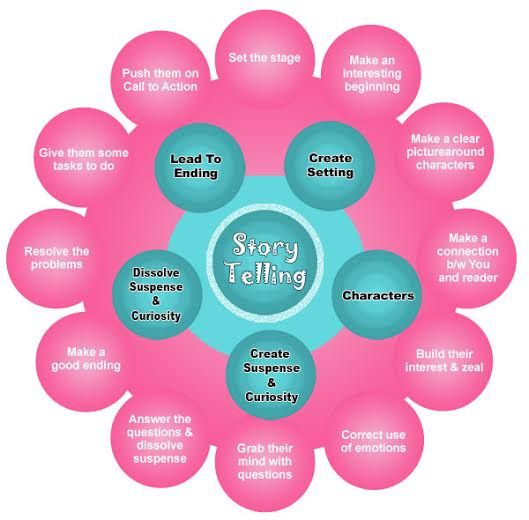
Storytelling is one of the oldest and most powerful forms of communication. From ancient civilizations to modern digital platforms, humans have always used stories to share ideas, emotions, and knowledge. Whether you are writing a blog, giving a presentation, or simply talking to friends, strong storytelling can make your message more memorable and impactful.
For beginners, storytelling may seem difficult at first, but it becomes easier when you understand its structure and techniques. A good story is not just about events; it is about how those events are presented. The way you build emotions, create characters, and guide the audience makes all the difference.
In today’s world, storytelling is not limited to books or movies. It is widely used in marketing, social media, education, and business communication. That is why learning storytelling tips for beginners is a valuable skill that can improve both personal and professional growth.
In this guide, you will learn step-by-step techniques, benefits, common mistakes, expert advice, and practical examples to help you become a confident storyteller. By the end, you will understand how to turn simple ideas into powerful and engaging stories.
What is Storytelling?
Storytelling is the art of conveying a message through a structured narrative. It involves characters, a setting, a conflict, and a resolution. Unlike simple communication, storytelling connects emotionally with the audience and makes information easier to remember.
At its core, storytelling is about transformation. A character usually starts in one situation and moves toward a change through challenges and experiences. This journey is what keeps the audience engaged and interested.
Storytelling can be written, spoken, or visual. It can appear in novels, films, advertisements, speeches, or even everyday conversations. The main goal is to communicate a message in a way that captures attention and creates emotional impact.
For beginners, understanding the basic structure of storytelling is the first step toward mastering it. Once you learn how stories are built, you can apply storytelling techniques in any field.
Why is Storytelling Important?
Storytelling plays a major role in communication because it helps people connect with ideas on a deeper level. Facts and data alone may not always be memorable, but when they are presented through a story, they become powerful and relatable.
One key reason storytelling is important is emotional connection. People remember how a story made them feel more than the actual details. This emotional impact helps messages stay in memory for a long time.
Another reason is clarity. Complex ideas become easier to understand when explained through stories. This is why teachers, marketers, and leaders use storytelling to simplify information.
Storytelling also builds trust. When audiences relate to a story, they are more likely to believe and engage with the message. This is especially useful in business and personal branding.
Finally, storytelling improves creativity and communication skills. It allows individuals to express themselves more effectively and confidently in different situations.
Detailed Step-by-Step Guide
Step 1: Understand Your Purpose
Before creating a story, identify the purpose. Ask yourself what message you want to deliver. A clear purpose helps you stay focused and build a strong narrative.
Step 2: Know Your Audience
Understanding your audience is essential. Different audiences respond to different styles of storytelling. Beginners should always adapt their tone, language, and examples according to who they are addressing.
Step 3: Create Strong Characters
Characters are the heart of any story. Even in simple stories, characters make the narrative relatable. Give your characters clear motivations, goals, and challenges.
Step 4: Build a Clear Structure
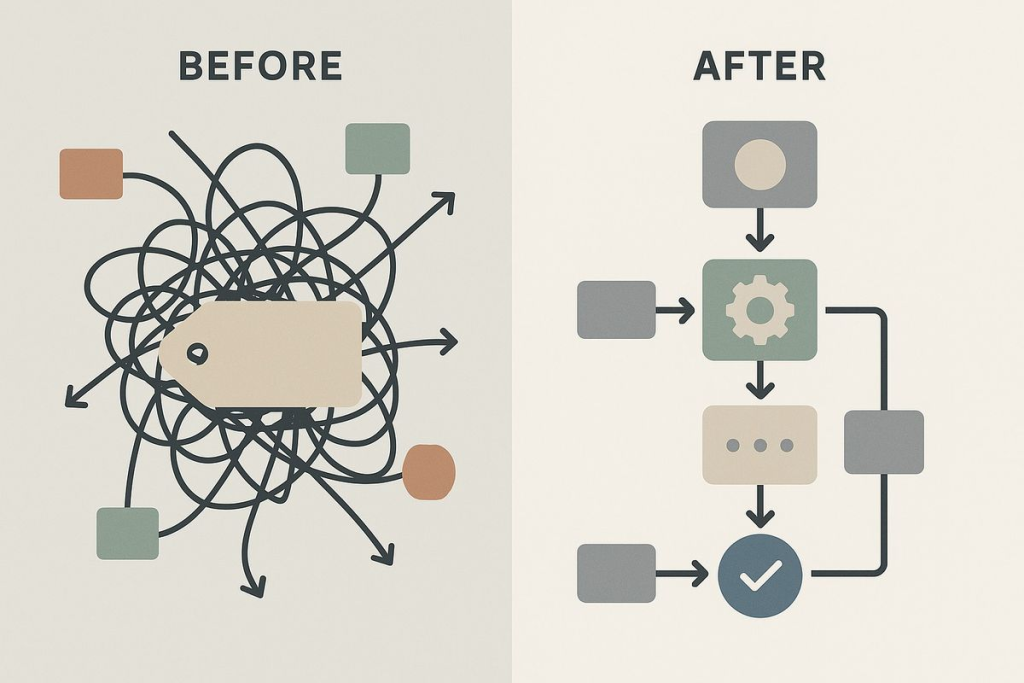
A good story follows a structure: beginning, middle, and end. The beginning introduces the situation, the middle builds conflict, and the end provides resolution.
Step 5: Add Conflict and Emotion
Without conflict, a story becomes boring. Conflict creates tension and keeps the audience engaged. Emotional elements like fear, joy, or surprise make the story more powerful.
Step 6: Keep It Simple
Beginners often make the mistake of overcomplicating stories. Simplicity is key. A clear and simple story is always more effective than a confusing one.
Step 7: Use Descriptive Language
Descriptive language helps the audience visualize the story. Instead of saying something vague, describe scenes, actions, and emotions clearly.
Step 8: End with a Strong Message
Every story should have a meaningful conclusion. The ending should reinforce the main message and leave a lasting impression.
Benefits of Storytelling
- Improves communication skills
- Enhances creativity and imagination
- Builds emotional connection with audience
- Makes information easier to remember
- Helps in personal and professional growth
- Strengthens writing and speaking abilities
- Increases confidence in expression
Disadvantages / Risks
- Poor storytelling can confuse the audience
- Overuse of emotions may reduce credibility
- Requires practice and time to master
- Misinterpretation of message is possible
- Can become ineffective without structure
Common Mistakes to Avoid
Many beginners struggle with storytelling because they make simple mistakes. One common mistake is adding too much unnecessary detail, which distracts from the main message.
Another mistake is ignoring structure. Without a clear beginning, middle, and end, the story feels incomplete.
Some beginners also fail to connect emotionally with the audience. A story without emotion feels flat and uninteresting.
Overcomplicating language is another issue. Simple and clear language is always more effective.
Finally, rushing the ending can weaken the impact of the story. A strong conclusion is essential for leaving a lasting impression.
FAQs
1. What is storytelling in simple words?
Storytelling is the process of sharing ideas or messages through a structured narrative that includes characters, events, and emotions.
2. Why is storytelling important for beginners?
It helps beginners improve communication, creativity, and confidence while making their messages more engaging and memorable.
3. Can storytelling be used in business?
Yes, storytelling is widely used in marketing, branding, and presentations to connect with customers and build trust.
4. How can I improve my storytelling skills?
Practice regularly, read stories, observe real-life situations, and focus on structure, emotion, and clarity.
5. What makes a story engaging?
A strong story has clear characters, emotional conflict, simple structure, and a meaningful message.
6. Do I need special skills for storytelling?
No special skills are required. Anyone can learn storytelling with practice, observation, and creativity.
Expert Tips & Bonus Points
Experienced storytellers focus on simplicity and emotional depth. Always start with a strong hook to grab attention immediately.
Use real-life experiences whenever possible because they feel more authentic.
Practice storytelling in daily conversations to build confidence.
Listen to other storytellers and analyze what makes their stories effective.
Finally, always revise your story to remove unnecessary details and improve clarity.
Conclusion
Storytelling is a powerful skill that can transform the way you communicate ideas. For beginners, it may take time to develop, but with consistent practice, it becomes natural and effective. A good story is not just about events; it is about how those events are shaped and presented to the audience.
By following storytelling tips for beginners, you can improve your ability to connect with people, express ideas clearly, and create lasting impressions. Whether you are writing, speaking, or presenting, storytelling helps you stand out and make your message more impactful.
The key to mastering storytelling is practice, patience, and observation. Start with simple stories, focus on structure, and gradually add emotional depth. Over time, you will notice a significant improvement in your communication skills.
Remember, every great storyteller started as a beginner. With dedication and the right techniques, you can also become someone who captures attention and inspires others through the power of storytelling.
