


Introduction
Creative story concepts are the foundation of every memorable piece of writing. Whether you are working on a novel, short story, screenplay, or even blog content, strong ideas shape everything that follows. Without a solid concept, even the best writing skills can feel weak or directionless. That is why understanding creative story concepts is essential for beginners and intermediate writers who want to improve their storytelling abilities.
At its core, a creative story concept is simply the main idea or premise that drives your story forward. It defines your characters, conflict, setting, and emotional tone. When developed properly, it can turn a simple idea into a powerful narrative that captures attention and keeps readers engaged. Many successful writers spend more time developing their concept than writing the actual draft because they know how important this stage is.
In today’s competitive digital world, storytelling has become more important than ever. From social media content to films and books, audiences are constantly looking for fresh and engaging ideas. This makes creative story concepts a valuable skill for anyone who wants to write professionally or even as a hobby. In this article, you will learn what they are, why they matter, and how to develop them step by step in a practical way.
What is Creative Story Concepts?
Creative story concepts refer to the core idea or blueprint behind a narrative. It is the central theme that gives direction to your story and answers the question: “What is this story about?”
A strong concept usually includes three key elements: the main character, the central conflict, and the unique situation or setting. For example, a story about a boy who discovers he can travel through time using a broken watch is a creative story concept. It is simple but powerful because it opens the door to many possibilities.
Creative story concepts are not just ideas; they are structured ideas. They are different from random thoughts because they already contain the potential for conflict and growth. Writers use these concepts to build plots, develop characters, and create emotional depth.
In professional writing, creative story concepts act as a foundation for planning. Without them, stories often feel scattered or incomplete. A strong concept ensures that every scene in your story connects back to the main idea, making your writing more focused and meaningful.
Why is Creative Story Concepts Important?
Creative story concepts are important because they determine the success of your story before you even begin writing it. A strong concept attracts readers, while a weak one can make even well-written content feel boring.
Firstly, they provide clarity. When you have a clear concept, you know exactly what your story is about and where it is going. This prevents confusion during writing and helps you stay consistent.
Secondly, they improve creativity. A well-developed concept pushes you to think deeper and explore unique angles. It encourages you to build interesting characters and unexpected plot twists.
Thirdly, creative story concepts help in audience engagement. Readers are naturally drawn to stories that feel fresh and original. A strong concept makes your story stand out in a crowded market.
Finally, they save time. When your concept is clear, you spend less time rewriting or fixing plot issues later. This makes the entire writing process smoother and more efficient.
In short, without strong creative story concepts, storytelling becomes random and less impactful. With them, even simple ideas can become powerful narratives.
Detailed Step-by-Step Guide to Developing Creative Story Concepts
Step 1: Brainstorm Basic Ideas
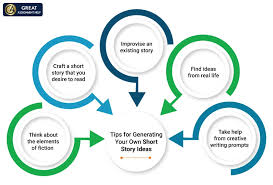
Start by writing down any idea that comes to your mind. Do not judge or filter them at this stage. Even the simplest thoughts can become strong creative story concepts when developed properly.
You can take inspiration from daily life, dreams, news, or personal experiences. The goal is to collect raw material for your story.
Step 2: Identify the Core Conflict
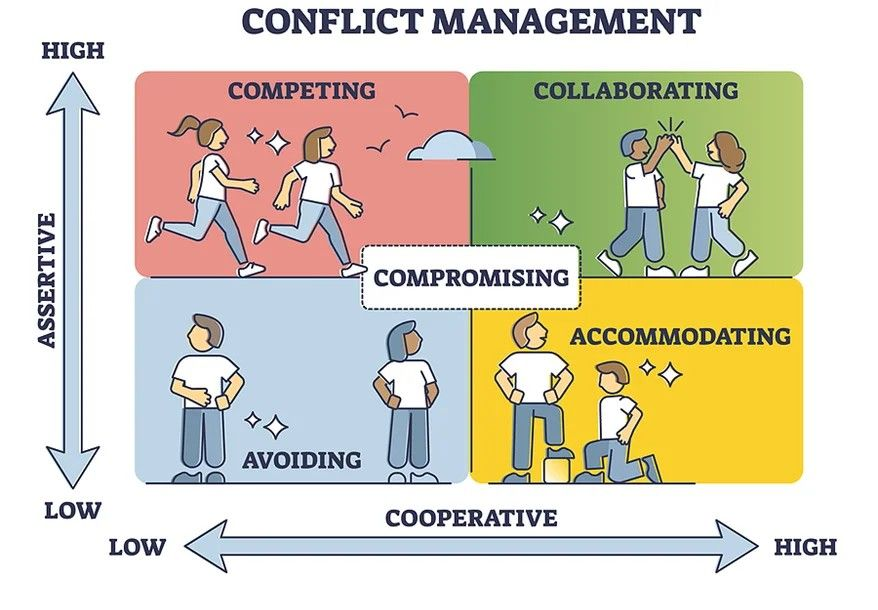
Every good story needs conflict. Ask yourself what problem your character will face. This conflict is the heart of your creative story concept.
It could be internal (fear, doubt, identity struggle) or external (war, mystery, survival). The stronger the conflict, the more engaging your story will be.
Step 3: Build Your Main Character
Your character is the driving force of your story. Define their personality, goals, and weaknesses. A strong character makes creative story concepts more relatable and realistic.
Think about what your character wants and what is stopping them from achieving it.
Step 4: Add a Unique Twist
To make your concept stand out, add something unique. This could be a surprising setting, a time period shift, or an unusual ability.
This step transforms ordinary ideas into powerful creative story concepts that grab attention.
Step 5: Combine Everything into One Sentence
Now summarize your idea in one clear sentence. This is your final concept statement. If it sounds interesting and complete, your creative story concept is ready.
Benefits of Creative Story Concepts
- Helps in building strong and engaging narratives
- Improves clarity in storytelling direction
- Makes writing more structured and organized
- Enhances creativity and imagination skills
- Saves time during drafting and editing
- Increases reader engagement and interest
- Helps in professional writing careers
- Makes stories more memorable and impactful
Disadvantages / Risks of Creative Story Concepts
- Overthinking the concept can delay writing
- Too complex ideas may confuse beginners
- Weak execution can ruin a strong concept
- Copying others’ ideas reduces originality
- Poor planning may lead to incomplete stories
- Excessive focus on concept can reduce writing speed
Common Mistakes to Avoid
One common mistake is starting to write without a clear concept. This often leads to inconsistent storytelling. Another mistake is creating overly complicated ideas that are difficult to execute.
Many beginners also ignore character development, which weakens their creative story concepts. Some writers focus only on plot and forget emotional depth.
Another issue is lack of originality. Repeating common ideas without adding uniqueness makes stories predictable.
Finally, rushing the concept development stage can lead to weak storytelling overall. Taking time to refine your idea is always worth it.
FAQs
1. What are creative story concepts?
Creative story concepts are the main ideas that form the foundation of a story, including characters, conflict, and setting.
2. How do I develop strong story concepts?
You can develop strong concepts by brainstorming ideas, identifying conflict, and adding unique elements to your story.
3. Why are creative story concepts important?
They are important because they provide structure, clarity, and direction to your storytelling process.
4. Can beginners create good story concepts?
Yes, beginners can create strong concepts with practice, observation, and creativity.
5. What makes a story concept unique?
A unique concept includes originality, emotional depth, and an interesting twist that sets it apart.
6. How long does it take to create a concept?
It depends on the complexity of the idea, but simple concepts can be created in a few minutes while complex ones may take days.
Expert Tips & Bonus Points
Always observe real-life situations because they are the best source of inspiration for creative story concepts. Keep a notebook to write down sudden ideas.
Try combining two unrelated ideas to create something new. For example, mixing science fiction with historical events can produce unique stories.
Focus on emotions because readers connect more with feelings than events.
Also, revise your concept multiple times before finalizing it. Refinement is key to strong storytelling.
Lastly, read widely. Exposure to different genres improves your ability to create better concepts.
Conclusion
Creative story concepts are the backbone of all successful storytelling. They provide direction, structure, and meaning to your writing. Without them, even the most skilled writers can struggle to create engaging narratives.
For beginners, understanding and practicing creative story concepts is the first step toward becoming a confident writer. It helps transform simple ideas into powerful stories that connect with readers on a deeper level.
As you continue developing your skills, remember that every great story starts with a single idea. The more you practice shaping and refining your concepts, the better your storytelling will become.
In the end, strong creative story concepts are not just about imagination; they are about clarity, structure, and emotional impact. Mastering them will open the door to endless storytelling possibilities.
