


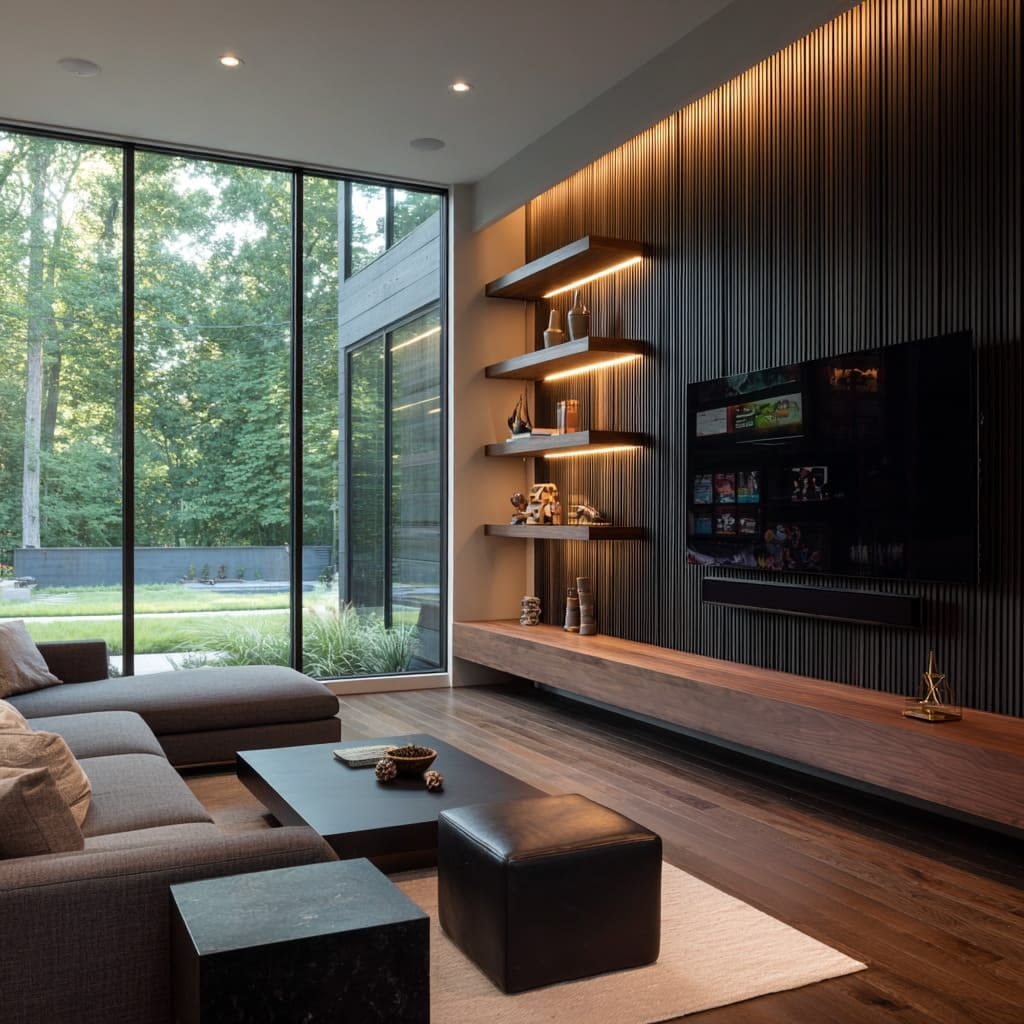
Introduction
Modern design ideas have become one of the most searched and admired topics in the world of interior and exterior styling. Whether you are redesigning your home, setting up an office, or simply refreshing a small corner, modern aesthetics offer simplicity, functionality, and elegance in one package. Today’s design approach focuses on clean lines, minimal clutter, and smart use of space, making environments more comfortable and visually appealing. Rana Sahab, in this guide, we will explore practical and creative modern design ideas that anyone can apply, even without professional experience. The goal is to help beginners and intermediate readers understand how small changes can create a big impact. From color selection to furniture arrangement and lighting techniques, everything plays a role in shaping a modern look. As lifestyles become more fast-paced, people prefer designs that are not only beautiful but also functional and easy to maintain. That is why modern interior and exterior concepts are evolving rapidly. In this article, you will learn step-by-step strategies, benefits, risks, expert tips, and common mistakes to avoid so you can confidently apply modern design ideas in your own space and achieve a balanced, stylish environment.
What is Modern Design?
Modern design refers to a style that emphasizes simplicity, clean structure, and functional beauty. It originated in the early 20th century and continues to evolve with new trends and technologies. At its core, modern design ideas focus on minimalism, neutral colors, open spaces, and practical layouts. Unlike traditional styles that often include heavy decorations and complex patterns, modern design removes unnecessary elements to highlight simplicity and purpose. It is widely used in homes, offices, cafes, and even digital interfaces. The idea is to create a space that feels open, airy, and efficient while still being visually attractive. Modern design ideas also incorporate natural light, sustainable materials, and smart furniture solutions to enhance comfort and usability. This design philosophy is not limited to interiors only; it extends to architecture, product design, and digital aesthetics as well. The flexibility of modern design makes it suitable for almost any environment, regardless of size or budget.
Why is Modern Design Important?
Modern design plays a crucial role in improving how people experience their surroundings. In today’s world, where space is often limited and lifestyles are busy, having a well-organized and visually pleasing environment can significantly impact productivity and mental well-being. Modern design ideas help reduce visual clutter, which in turn creates a calming and focused atmosphere. This is especially important in homes and workspaces where stress levels can be high. Another reason modern design is important is its adaptability. It works well in both small apartments and large houses, making it highly versatile. It also promotes efficient use of space, ensuring that every corner has a purpose. Additionally, modern design encourages sustainability by using eco-friendly materials and energy-efficient solutions. This not only benefits the environment but also reduces long-term costs. In essence, modern design ideas are important because they combine beauty, functionality, and sustainability into one cohesive approach that enhances everyday living.
Detailed Step-by-Step Guide to Modern Design Ideas
Understanding Your Space
Before applying any modern design ideas, it is essential to understand your space. Analyze the size, lighting, and layout of the area. Identify what works and what needs improvement. This helps you plan effectively and avoid unnecessary changes later.
Choosing a Color Palette
Color plays a major role in modern design. Neutral tones like white, beige, gray, and soft earth colors are commonly used. These shades create a clean and calm environment. You can also add accent colors like navy, green, or mustard to bring personality without overwhelming the space.
Selecting Furniture Wisely
Furniture in modern design should be simple, functional, and stylish. Avoid overly decorative pieces. Instead, choose furniture with clean lines and practical features. Multi-functional furniture is highly recommended, especially for small spaces.
Lighting Techniques
Lighting is a key element in modern design ideas. Natural light should be maximized as much as possible. Use large windows, light curtains, and open layouts. For artificial lighting, choose layered lighting such as ceiling lights, floor lamps, and wall sconces.
Decluttering the Space
One of the most important steps is removing unnecessary items. Modern design thrives on minimalism. Keep only what you need and what adds value to the space. Storage solutions like hidden cabinets and wall shelves help maintain cleanliness.
Adding Textures and Materials
Even though modern design is simple, it is not boring. You can add depth by using different textures like wood, glass, metal, and fabric. This creates balance and visual interest without cluttering the space.
Incorporating Nature
Plants and natural elements bring life into modern interiors. Small indoor plants, vertical gardens, or natural wood finishes can make the space feel fresh and relaxing.
Benefits of Modern Design Ideas
- Creates a clean and organized environment
- Enhances productivity and focus
- Makes spaces look larger and more open
- Easy to maintain and clean
- Promotes better use of natural light
- Supports sustainable and eco-friendly living
- Increases property value and aesthetic appeal
- Offers flexibility for different budgets and spaces
Disadvantages / Risks of Modern Design Ideas
- Can feel too minimal or cold if not balanced properly
- Requires regular maintenance to keep the clean look
- Limited decorative freedom compared to traditional styles
- Poor planning may lead to overly empty spaces
- High-quality modern furniture can be expensive
- Trends may change, requiring occasional updates
Common Mistakes to Avoid
One of the most common mistakes in applying modern design ideas is over-minimalism. Removing too many elements can make a space feel empty and unwelcoming. Another mistake is ignoring functionality for aesthetics. A modern space should always be practical, not just visually appealing. Many people also choose the wrong lighting, making rooms feel dull instead of bright and inviting. Overusing accent colors is another issue that disrupts the balance of modern design. Additionally, mixing too many styles can destroy the consistency of the overall look. Poor furniture placement is also a frequent error, leading to inefficient use of space. Avoiding these mistakes ensures a more balanced and effective modern design outcome.
FAQs
What are modern design ideas in simple terms?
Modern design ideas refer to a style focused on simplicity, functionality, and clean aesthetics. It avoids unnecessary decoration and emphasizes practical living spaces with a fresh and organized look.
Can modern design work in small homes?
Yes, modern design is perfect for small homes. It helps maximize space, reduce clutter, and create a more open and comfortable environment using smart furniture and layout planning.
What colors are best for modern design?
Neutral colors like white, gray, beige, and soft earth tones work best. These can be combined with subtle accent colors to add personality without overpowering the design.
Is modern design expensive to implement?
Not necessarily. Modern design ideas can be adapted to any budget. While some furniture may be expensive, minimalism actually helps reduce unnecessary spending.
How do I start applying modern design ideas?
Start by decluttering your space, choosing a neutral color palette, and selecting simple furniture. Then focus on lighting and functional layout improvements.
Does modern design include decoration?
Yes, but in a minimal way. Decorations are used sparingly and usually include simple artwork, plants, or textured elements that enhance the space without cluttering it.
Expert Tips & Bonus Points
Experts suggest starting small when applying modern design ideas. Instead of redesigning the entire space, begin with one room or corner. Focus on balance rather than perfection. Use mirrors to make spaces look bigger and brighter. Invest in quality over quantity when selecting furniture. Always prioritize comfort along with aesthetics. Another important tip is to maintain consistency in style throughout the space. Mixing too many themes can break the modern look. Finally, regularly update small elements like cushions, lighting, or decor to keep the space fresh without major changes.
Conclusion
Modern design ideas have transformed the way people approach living and working spaces. They bring together simplicity, functionality, and elegance in a way that suits today’s fast-paced lifestyle. By focusing on clean layouts, neutral colors, and smart furniture choices, anyone can create a stylish and comfortable environment. Rana Sahab, the key is to understand your space and apply changes gradually instead of rushing the process. Modern design is not about spending more money but about making smarter choices that improve both appearance and usability. From homes to offices, this design approach continues to grow in popularity because of its flexibility and timeless appeal. It not only enhances visual beauty but also improves mental clarity and productivity. By following the strategies discussed in this guide, you can confidently apply modern design ideas in your own space and achieve a balanced, functional, and aesthetically pleasing environment that lasts for years.
